Why Your Wrinkles Look Worse Overnight
5/17/20263 min read
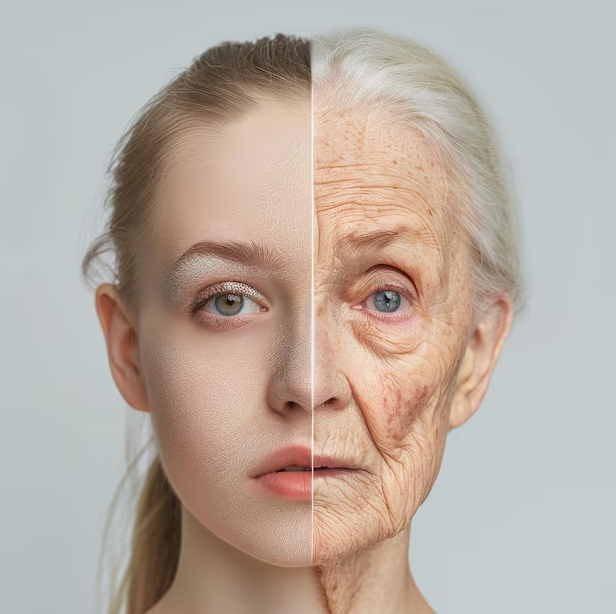
You catch your reflection in the morning light and feel that drop in your stomach. The lines look deeper. Your skin looks tired. Somehow older than it did a few months ago.
And what hurts most is this part: you tried to prevent it.
You used moisturizer. You wore sunscreen. You bought the expensive creams. Yet your face still changed in ways you did not expect. That can feel strangely personal, like your skin stopped listening to you.
What most people call “overnight wrinkles” usually are not new wrinkles at all. They are existing lines that suddenly become more visible because your skin lost water during the night.
That is why your face can look softer at 8 p.m. and harsher by 7 a.m.
While you sleep, your skin naturally loses moisture. If your skin barrier is already weakened from stress, over-cleansing, sun exposure, or years of irritation, that overnight water loss becomes more obvious. The skin thins slightly. Fine lines crease harder. Shadows settle into places that once looked smooth.
This is also why some wrinkle creams seem to work for three days, then stop.
They temporarily swell the outer layer of skin with moisture. But they never address why your skin struggles to hold that moisture in the first place.
A woman I once spoke with described it perfectly. She kept a drawer full of anti-aging products beside her bed. Every night she layered them carefully. Every morning she still pulled the bathroom light dimmer before looking in the mirror.
That is not vanity. That is exhaustion.
One thing that genuinely helps overnight is reducing inflammation before bed. Not just adding cream on top of dry skin.
Hot showers late at night can quietly worsen wrinkles because heat strips protective oils. Sleeping with dry moving air pointed at your face does the same thing. Even aggressive “anti-aging” cleansers can leave the skin tight and dehydrated by morning.
Your skin repairs itself while you sleep. But repair only happens well when the barrier stays calm.
A simple routine often works better than a complicated one. Wash gently. Pat dry. Apply moisturizer while your skin is still slightly damp. Then seal it with something that slows water loss overnight, especially around the eyes and mouth where skin folds repeatedly.
Silk pillowcases can help a little. Sleeping position matters too. Side sleeping presses the same skin folds for hours every night. Over time, those lines become harder to bounce back from.
But there is another layer most people never consider.
As collagen drops with age, your skin does not just wrinkle. It loses structure underneath. That is why the face can suddenly look unfamiliar even before wrinkles become severe. The support system beneath the skin changes first.
Most wrinkle routines focus on smoothing the surface while the deeper support structure keeps weakening underneath.
That is the part many people sense instinctively but cannot explain.
You cannot scrub, peel, or moisturize your way out of structural skin changes forever. At some point, the goal shifts from attacking wrinkles to supporting the skin differently.
Oddly, that shift often makes people look softer and younger again.
Not because they found a magic cream.
Because they finally stopped irritating skin that was already struggling to repair itself.
I learned this the hard way after staring at my own face one morning and realizing I looked constantly tired no matter what I applied the night before. After going through this myself, I put together a short free video that explains the deeper reason wrinkles suddenly seem to accelerate overnight and what actually helps calm that process down.
You are right to be skeptical. Most wrinkle advice keeps people trapped chasing surface changes while the underlying aging process keeps speeding up quietly in the background. The sooner you understand that difference, the easier it becomes to stop making your skin work harder against itself.
Healova
Simple health and wellness content designed to be easy, calming, and beginner-friendly.
Quick links
© 2025. All rights reserved.