Why Tinnitus Gets Louder at Night and What May Help
5/17/20263 min read
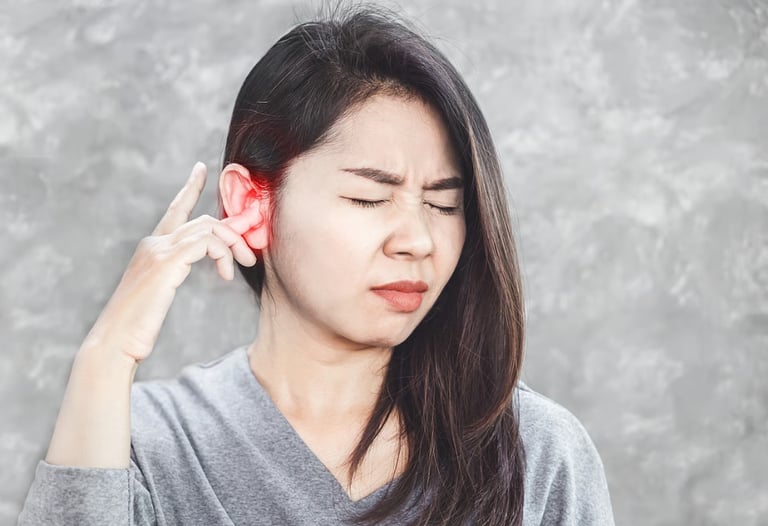
You notice it most when the world finally goes quiet.
The ringing gets sharper in bed. Your mind locks onto it. Sleep slips further away every night, and nobody around you seems to understand how exhausting that becomes after weeks or months.
At some point, you stop asking for silence. You just ask for a break.
The hardest part about tinnitus is how invisible it is. You can sit through dinner smiling while your ears scream the entire time. Then you lie awake at 2 a.m., staring at the ceiling, wondering why nothing you try lasts longer than a few hours.
And that frustration makes sense, because most advice only scratches the surface.
White noise can help. Lowering caffeine sometimes helps too. Protecting your hearing matters more than people realize. But tinnitus is rarely one simple thing. That is why two people can hear the same ringing and respond completely differently.
For some people, the sound starts after loud noise exposure. For others, it follows stress, jaw tension, poor sleep, neck strain, inflammation, or gradual hearing changes. Your brain is constantly processing sound signals. When normal input weakens or becomes distorted, the brain sometimes turns up its internal sensitivity to compensate. That is when ringing, buzzing, hissing, or pulsing sounds can appear.
Night makes it worse because there are fewer external sounds competing for your attention.
But there is another layer most people miss.
Your nervous system matters more than you think.
When your body stays stuck in a stressed state, your brain becomes hyper-alert. Small sensations feel amplified. That includes sound. You may notice the ringing spikes during anxious periods, after poor sleep, or during emotionally draining weeks. That is not imagined. The auditory system and stress response are deeply connected.
One man I spoke with described it perfectly. He kept trying to drown the ringing out with louder fans and earbuds. But the louder he fought it, the more fixated his brain became on listening for it. He was exhausted, irritable, and terrified it would never stop. What finally helped him was calming the constant state of alertness around the sound instead of attacking the sound itself every minute.
That does not mean you should ignore tinnitus.
Sudden ringing, hearing loss, dizziness, or one-sided symptoms should always be checked by a doctor. Some causes need medical attention quickly. Persistent tinnitus can also be linked to hearing damage that slowly worsens over time if ignored.
Still, many people stay trapped because they focus only on covering the noise instead of understanding why their brain keeps amplifying it.
The ringing is often not the real problem anymore. The brain’s response to the ringing becomes the problem that keeps it alive.
That shift changes how you approach this completely.
Instead of chasing silence every second, the goal becomes lowering the brain’s threat response around the sound. That is why certain habits sometimes help more than expected. Gentle background sound at night. Better sleep timing. Relaxing jaw and neck tension. Reducing constant headphone use. Getting hearing checked early instead of waiting years. Even simple breathing exercises before bed can matter because they signal safety to the nervous system.
None of this creates an overnight disappearance. Anyone promising that is not being honest with you.
But your brain can change how strongly it reacts to tinnitus over time. That is the part many people never hear explained clearly.
I know how skeptical you probably feel right now. After dealing with this myself, I put together a short free video showing the deeper connection between tinnitus, brain signaling, and why the usual approaches often fail after temporary relief.
I also explain why waiting too long matters more than people realize. In some cases, untreated tinnitus can become harder to calm as hearing changes continue underneath it.
Healova
Simple health and wellness content designed to be easy, calming, and beginner-friendly.
Quick links
© 2025. All rights reserved.