The Skincare Habit Making Your Wrinkles Look Worse
5/20/20263 min read
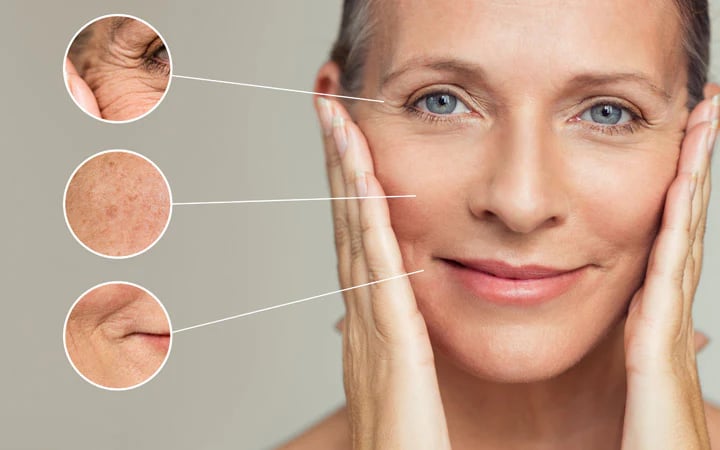
You catch your reflection in bad lighting and suddenly look ten years older. Not tired. Older. And the hardest part is knowing you’ve actually tried to take care of your skin.
You used the expensive moisturizer. You wore sunscreen. You drank more water. Still, your face started looking thinner, flatter, more lined.
That feeling stays with you longer than people realize.
Most wrinkle advice focuses on the surface of your skin. Dryness. Sun damage. Fine lines. But the mirror usually changes before the skin itself does. Your face starts losing structure underneath first. That’s why some people use every “anti-aging” cream available and still feel like their face keeps collapsing inward.
And one common habit quietly speeds that process up.
Over-cleansing.
Not just harsh scrubs. Even “gentle” cleansers can strip your skin barrier when you use them too often. Especially twice a day with hot water, exfoliating acids, retinol, and foaming products layered together.
Your skin barrier acts like a seal. It keeps moisture in and irritation out. When that barrier weakens, your skin loses water faster. Inflammation rises. Tiny lines deepen because the skin cannot hold itself as well.
That crepey look many people blame on aging alone often starts with chronic irritation.
You can usually spot it before wrinkles fully settle in. Your skin feels tight after washing. Makeup suddenly sits unevenly. Your face looks dull by afternoon no matter what cream you use. Some mornings your skin even looks thinner than it did weeks earlier.
That isn’t vanity talking. Your skin is reacting.
A woman in her late forties once described it perfectly. She had an entire bathroom shelf full of “good” skincare. Vitamin C. Retinol. Peptides. Exfoliating pads. She thought she needed to work harder because the lines around her mouth kept deepening. But her skin looked constantly irritated. Once she stopped stripping it every day, her face stopped looking so exhausted within weeks.
Not younger overnight. Just calmer. Stronger. More like herself again.
That matters more than people think.
The skin barrier also affects how well your skin repairs itself during sleep. When that protective layer stays inflamed for months, collagen breakdown can outpace repair. That’s when the changes start feeling permanent.
This is why some people feel betrayed by skincare. They weren’t neglecting their skin. They were overwhelming it.
And there’s another piece almost nobody talks about.
Your face does not age only from the outside in. Stress hormones, blood sugar swings, poor sleep, and inflammation all affect the deeper tissue supporting your skin. That support layer gives your face fullness and resilience. When it weakens, creams can only do so much.
Most wrinkle routines treat dry skin as the problem when the real issue often starts underneath the skin itself.
That realization changes how you look at aging.
It stops becoming a battle against every line. You start paying attention to why your face looks more fragile in the first place. Sometimes the smartest thing you can do is stop attacking your skin long enough for it to function normally again.
Use fewer active products for a week and watch what happens. Wash with cooler water. Notice whether your skin feels calmer by midday. Pay attention to tightness after cleansing instead of covering it immediately with another cream.
Those small signals tell you more than marketing ever will.
I know how discouraging this feels because I went through it myself. After years of thinking I needed stronger products, I finally understood why my skin kept looking older no matter what I applied. I put together a short free video that explains the deeper process behind wrinkle formation and the daily habit that surprised me most.
You may still feel skeptical, especially if you’ve already spent years trying to slow this down. But the longer inflammation and structural loss continue underneath the skin, the harder those visible changes become to ignore later.
Healova
Simple health and wellness content designed to be easy, calming, and beginner-friendly.
Quick links
© 2025. All rights reserved.