Say Goodbye to Nail Fungus: Your Guide to Healthy, Beautiful Nails
11/14/20253 min read
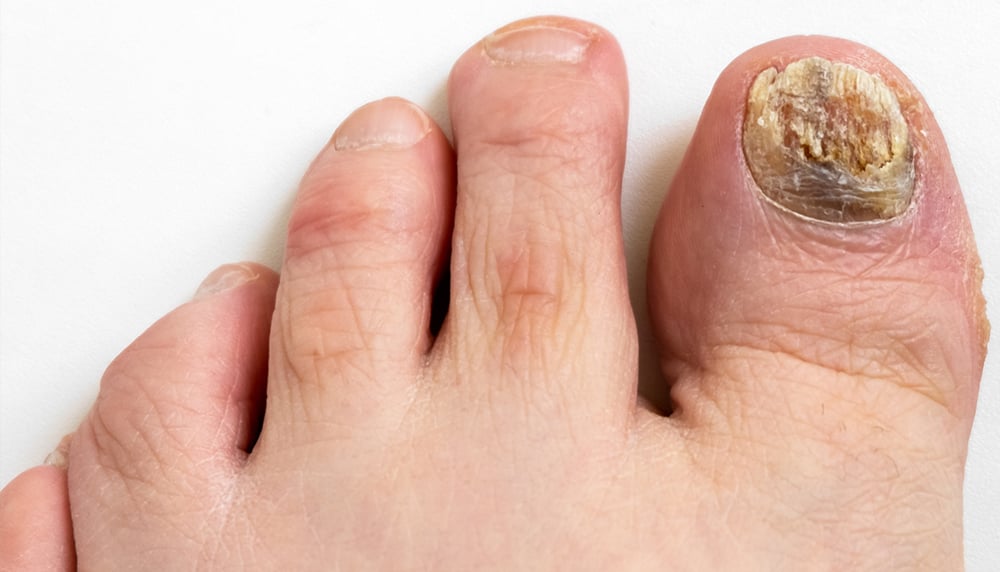
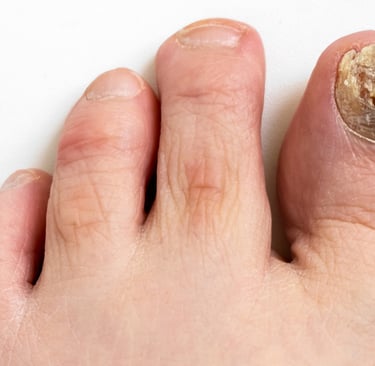
Nail fungus, also known as onychomycosis, is a common and often stubborn condition that can leave your nails discolored, brittle, and even painful. While it might seem like a minor cosmetic issue, it can significantly impact your confidence and comfort. But the good news is, you don't have to live with it! With the right information and consistent effort, you can effectively treat nail fungus and restore your nails to their healthy, beautiful state.
What Exactly is Nail Fungus
Nail fungus is caused by microscopic fungi that thrive in warm, moist environments. These fungi can infect the nails through tiny cracks or separations, leading to a variety of symptoms:
Discoloration: Nails may turn yellow, brown, white, or black.
Thickening: The nail can become unusually thick and difficult to trim.
Brittleness: Nails may crumble or break easily.
Distortion: The nail might change shape or lift from the nail bed.
Odor: A foul smell can sometimes accompany the infection.
Pain: In severe cases, the infected nail can cause discomfort or pain.
Why Does It Happen?
Several factors can increase your risk of developing nail fungus:
Age: As we get older, our nails become more brittle and prone to cracking.
Sweaty Feet: Warm, moist environments are a breeding ground for fungi.
Walking Barefoot: Public showers, locker rooms, and swimming pools are common sources of fungal exposure.
Tight Shoes: Shoes that restrict airflow and create moisture can contribute to the problem.
Nail Injuries: Trauma to the nail can make it more susceptible to infection.
Weakened Immune System: Conditions like diabetes or a compromised immune system can increase vulnerability.
Poor Circulation: Reduced blood flow to the extremities can hinder the body's ability to fight off infections.
Effective Strategies for Treating Nail Fungus
The key to treating nail fungus is consistency and patience. Here are some of the most common and effective approaches:
Over-the-Counter (OTC) Antifungal Treatments: For mild cases, various creams, ointments, and polishes containing antifungal ingredients can be effective. These need to be applied regularly as directed.
Prescription Medications: If OTC options aren't enough, your doctor may prescribe stronger antifungal medications. These can be oral pills or stronger topical solutions. Oral medications are often more effective but can have side effects and require monitoring.
Laser Therapy: A newer treatment option, laser therapy uses focused light to destroy the fungus without damaging the nail or surrounding skin. It often requires multiple sessions.
Home Remedies (with caution): While not scientifically proven as standalone cures, some people find relief with home remedies like tea tree oil, vinegar soaks, or Vicks VapoRub. Always consult with your doctor before relying solely on home remedies, especially for severe infections.
Nail Removal: In very severe or painful cases where other treatments have failed, your doctor might recommend surgically removing the infected nail. This is usually a last resort.
Preventing Recurrence: Keeping Your Nails Healthy
Even after successful treatment, nail fungus can return. Prevention is crucial:
Keep Your Feet Clean and Dry: Wash your feet daily and dry them thoroughly, especially between your toes.
Wear Breathable Footwear: Choose shoes made of materials that allow your feet to breathe, and opt for moisture-wicking socks.
Change Socks Regularly: If you have sweaty feet, change your socks often.
Wear Flip-Flops in Public Areas: Protect your feet in public showers, locker rooms, and pools.
Trim Nails Properly: Trim nails straight across and file the edges gently.
Don't Share Nail Tools: Use your own clippers, files, and other nail care tools.
Disinfect Nail Tools: Clean and disinfect your nail clippers and files regularly.
Avoid Tight Footwear: Ensure your shoes fit well and don't put pressure on your toes.
Consider Antifungal Powders: Use antifungal foot powder inside your shoes to help keep them dry.
When to See a Doctor
It's always a good idea to consult a healthcare professional, especially if:
Your nail fungus doesn't improve with OTC treatments.
The infection is severe, painful, or causing discomfort.
You have diabetes or a compromised immune system.
You notice any signs of a bacterial infection (redness, pus, increased pain).
Don't let nail fungus hold you back. By understanding the causes, exploring effective treatments, and adopting preventive measures, you can say goodbye to discolored, brittle nails and hello to healthy, beautiful feet you'll be proud to show off!
Healova
Simple health and wellness content designed to be easy, calming, and beginner-friendly.
Quick links
© 2025. All rights reserved.