3 Natural Wrinkle Remedies That Actually Make Sense
5/16/20263 min read
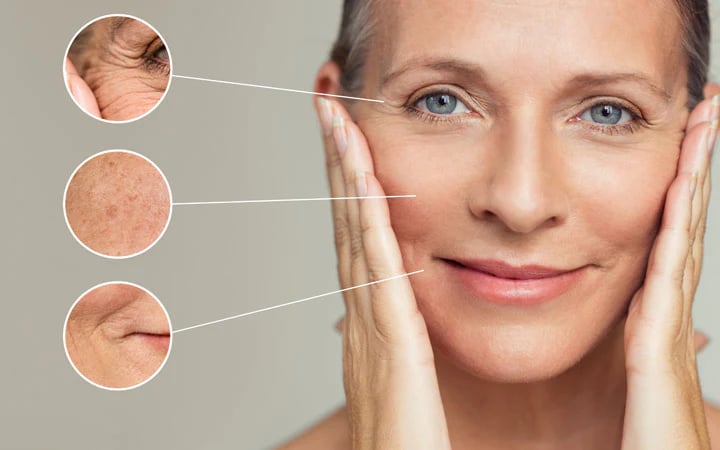
You catch your reflection in bad lighting and pause longer than you used to.
Not because of vanity. Because your face suddenly looks tired in a way sleep doesn’t fix anymore. The lines around your mouth stay even when you stop smiling. Your skin feels thinner. Less alive. And after years of sunscreen, moisturizers, and expensive creams, that betrayal cuts deeper than most people admit.
What makes wrinkles so frustrating is that they rarely appear overnight. Your skin changes slowly enough that you adapt to it until one day you don’t recognize yourself in photos anymore.
That feeling stays with you.
Most wrinkle advice also ignores something important. Skin aging is not just about dryness. It’s about what your skin stops producing underneath the surface. Collagen weakens. Elastin breaks down. Blood flow slows. Even mild inflammation from stress, sugar, poor sleep, and sun exposure quietly speeds everything up.
That’s why so many products help temporarily but never seem to change much long term.
One thing that genuinely helps is improving circulation naturally. Not aggressively. Just consistently.
A simple facial massage for five minutes a day can make a visible difference over time. Especially around the cheeks and jawline where stagnant fluid tends to collect. You don’t need expensive tools either. Clean hands and a light oil work fine. The goal is not pulling the skin tight. It’s increasing blood flow so skin cells get more oxygen and nutrients again.
People often notice their face looks less dull before they notice fewer lines.
Another overlooked piece is hydration inside the skin, not just on top of it. Skin cells lose water more easily as you age, especially after menopause or periods of chronic stress. That “crepey” texture many people complain about is often tied to a weakened skin barrier.
Aloe vera can help here surprisingly well.
Not the bright green scented gels. Pure aloe. It contains compounds that support moisture retention and may help stimulate collagen activity slightly over time. A woman I knew kept jars of high-end creams in her bathroom cabinet for years, but the thing that finally softened the deep dryness around her eyes was plain aloe at night and better sleep. Nothing dramatic. Just consistency.
Then there’s sugar.
This one hits hard because so many people already eat “healthy” and still miss it.
Excess sugar attaches to collagen fibers in a process called glycation. Those fibers become stiff and fragile instead of flexible. Skin starts folding more easily. That’s why some wrinkles look etched instead of soft.
Most people treat wrinkles like a surface problem when the aging process often starts much deeper.
That shift changes how you look at everything.
You stop chasing stronger creams and start protecting the collagen you still have.
Foods rich in vitamin C help more than people realize because collagen literally depends on it. Berries, citrus, kiwi, and bell peppers matter. So does protein. Your skin cannot rebuild structure without amino acids. Many people trying to “eat clean” accidentally undereat protein for years and wonder why their skin loses firmness faster.
None of this means wrinkles disappear completely. They’re part of being alive. But skin can absolutely look healthier, calmer, and more resilient than it does now.
Especially when you stop fighting your face and start supporting what it actually needs.
You’re right to be skeptical. Most wrinkle advice either oversells hope or blames you for aging naturally.
After struggling with this myself, I put together a short free video that explains the deeper skin-aging process most people never hear about, including why some wrinkles seem to accelerate even when you’re doing everything “right.” The earlier you understand what’s happening beneath the surface, the easier it becomes to slow the visible changes before they settle in deeper.
Healova
Simple health and wellness content designed to be easy, calming, and beginner-friendly.
Quick links
© 2025. All rights reserved.